


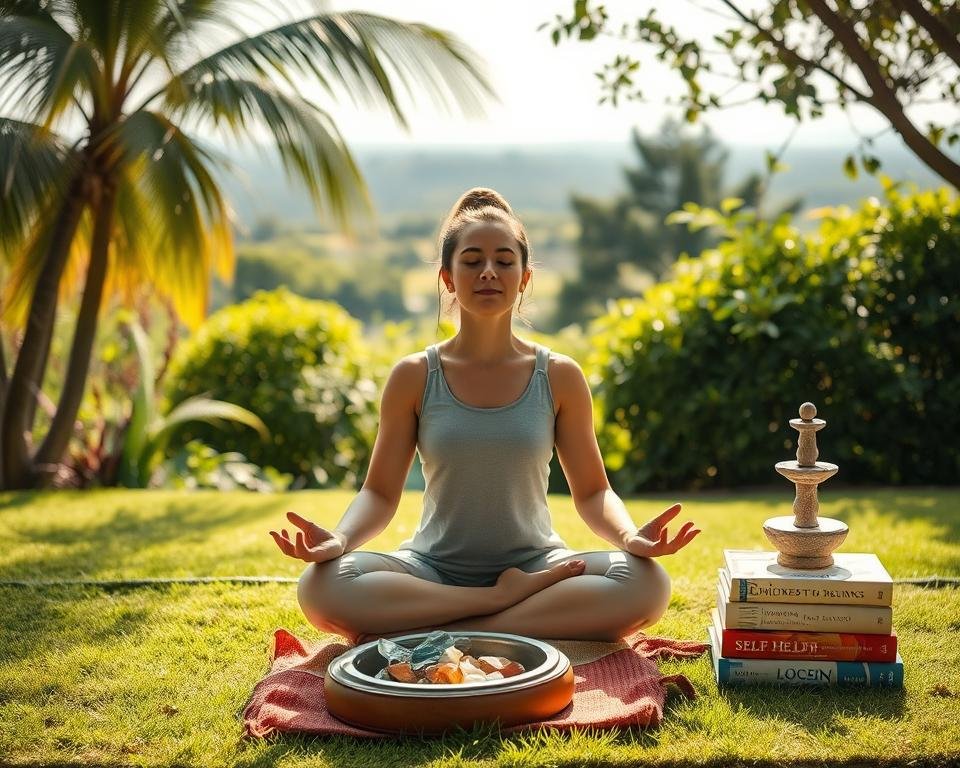
Exploring mental health shows us many techniques to boost well-being. These are important for everyone.
These methods can make life better. They include mindfulness, cognitive behavioral techniques, and building resilience. Also, keeping healthy relationships is key.
Adding these techniques to daily life helps keep mental health strong. It’s a way to take care of oneself.
Key Takeaways
- Practice mindfulness to reduce stress
- Use cognitive behavioral techniques to manage negative thoughts
- Build resilience through self-care and social connections
- Maintain healthy relationships through effective communication
- Prioritize self-care for overall mental wellness
Understanding Mental Health and Its Importance
Mental health is key to our overall health. It affects our relationships, work, and personal growth. It includes our emotional, psychological, and social well-being.
What is Mental Health?
Mental health is about how we think, feel, and behave. It’s vital for how we handle stress and work. Good mental health helps us contribute to our communities.
Why Mental Health Matters
Good mental health is essential for a balanced life. It helps us build strong relationships and make smart choices. It also helps us face life’s challenges with strength.
Common Mental Health Issues
Mental health issues are more common than we think. They include anxiety, depression, and more severe conditions. Knowing about these issues is the first step to help and support.
| Mental Health Issue | Description | Impact on Daily Life |
|---|---|---|
| Anxiety | Excessive worry or fear that interferes with daily activities. | Can lead to avoidance behaviors and social isolation. |
| Depression | Persistent sadness or loss of interest in activities once enjoyed. | Affects motivation, energy levels, and the ability to concentrate. |
| Bipolar Disorder | Extreme mood swings that include emotional highs and lows. | Can impact relationships, work performance, and daily functioning. |
Understanding mental health is the first step to better well-being. We can practice self-care and seek support. Let’s also promote mental health awareness.
Mindfulness: Finding Peace in the Present
In today’s fast world, we need mindfulness to stay strong and resilient. It means being fully in the moment. We notice our thoughts, feelings, and body without judgment.
Benefits of Mindfulness
Mindfulness helps a lot with our mental health. It makes us less stressed and anxious. It also improves our focus and helps us sleep better.
- Reduced stress and anxiety
- Improved focus and concentration
- Enhanced emotional regulation
- Better sleep quality
By adding mindfulness to our day, we get these benefits. It makes us stronger and more resilient.

Simple Mindfulness Exercises
Starting with mindfulness is easy. Here are some simple exercises:
- Mindful Breathing: Just focus on your breath. Notice how air moves in and out of your nose.
- Body Scan: Lie down or sit. Focus on each part of your body, starting from your toes.
- Mindful Walking: Walk while paying attention. Notice your feet touching the ground and your breath.
Incorporating Mindfulness into Daily Life
Adding mindfulness to your day is simple and rewarding. Here’s how:
| Activity | Mindfulness Tip |
|---|---|
| Eating | Enjoy each bite. Notice the taste, texture, and smell of your food. |
| Listening | Listen fully. Keep eye contact and avoid distractions. |
| Daily Tasks | Do tasks with full attention. Notice the sensations and details. |
By making mindfulness part of your day, you’ll feel clearer and more at peace.
Cognitive Behavioral Techniques
I’ve found that Cognitive Behavioral Techniques are key for keeping my mind balanced. They help me manage my thoughts, feelings, and actions better.
What is Cognitive Behavioral Therapy (CBT)?
Cognitive Behavioral Therapy (CBT) is a way to talk through problems. It helps change negative thoughts and behaviors. This can treat depression and anxiety.
CBT says our thoughts, feelings, and actions are linked. Changing one can change the others. For example, changing negative thoughts can make me feel better.
Techniques to Practice CBT
There are many ways to practice CBT, including:
- Keeping a thought journal to track negative thoughts and identify patterns.
- Learning to recognize and challenge distortions in thinking.
- Practicing mindfulness and relaxation techniques to reduce stress.
| CBT Technique | Description | Benefit |
|---|---|---|
| Cognitive Restructuring | Identifying and challenging negative thought patterns. | Reduces anxiety and depression. |
| Mindfulness | Practicing being present in the moment. | Decreases stress and improves mental clarity. |
| Exposure Therapy | Gradually facing feared situations or objects. | Reduces avoidance behaviors and anxiety. |
Overcoming Negative Thoughts
Learning to beat negative thoughts is a big part of CBT. It means noticing when I’m being too hard on myself. Then, I challenge these thoughts by looking at the evidence.
By using CBT regularly, I can think more positively. This makes me feel better and helps me handle stress better.
Keeping my mind balanced is very important. Cognitive Behavioral Techniques are a great way to do this. By using these methods every day, I can face life’s challenges with a clearer and more positive mind.
Building Resilience Through Self-Care
Self-care is key for staying strong and feeling good mentally. It helps me handle tough times better. Let’s talk about why self-care matters, how to stay mentally healthy, and making a self-care plan.
The Importance of Self-Care
Self-care keeps my mind healthy. It’s about taking care of my body, feelings, and mind. This helps me deal with stress and anxiety.
Ignoring self-care can make me feel burnt out and unmotivated. But, taking care of myself boosts my mood, creativity, and relationships.
Self-Care Strategies to Boost Mental Health
There are many ways to care for my mind. Some good ones include:
- Regular exercise like walking or yoga to feel less stressed and happier
- Mindfulness and meditation to be more aware and calm
- Spending time outside or looking at plants to connect with nature
- Doing creative things like painting or writing to express myself
Adding these self-care habits to my day can make me feel better and live a fuller life.

Creating a Self-Care Plan
My self-care plan should match my needs and goals. It’s about making time for self-care every day. Here’s how to make a good plan:
- Look at my current self-care habits and see what needs work
- Set clear, reachable self-care goals, like meditating daily or exercising often
- Put self-care activities in my daily planner or calendar
By doing these steps, I can focus on my mental health. This helps me become more resilient and healthy.
The Power of Social Connection
Building and keeping social connections has really helped my mental clarity and well-being. As I journey through my mental health, I see how important relationships are. They deeply affect my emotions and mind.
Having strong social ties is key for good mental health. Being around supportive people makes me feel more stable. It helps me face life’s ups and downs better.
How Relationships Affect Mental Health
Relationships can really shape my mental health, either positively or negatively. Good relationships boost my mental clarity. But bad or toxic ones can make me feel foggy and unfocused.
Here’s how relationships impact mental health:
- Emotional support: Talking to someone can lower stress and anxiety.
- Social interaction: Hanging out with others can lift my mood and mental health.
- Shared experiences: Making memories with others brings happiness and a sense of belonging.
Building a Support Network
Creating a support network takes work, but it’s vital for mental health. Here are some strategies I’ve found useful:
- Stay in touch with friends and family: Regularly connecting strengthens our bonds.
- Join groups or clubs: Doing things I enjoy helps me meet people who share my interests.
- Volunteer: Helping others not only grows my social circle but also gives me a sense of purpose.

Maintaining Healthy Relationships
Keeping relationships healthy is as important as making them. I focus on open communication, setting boundaries, and spending time with those I care about.
Here are tips for keeping relationships healthy:
- Practice active listening: Paying full attention shows I value and respect the other person.
- Be empathetic: Trying to see things from their point of view builds trust and deepens our connection.
- Show appreciation: Saying thank you strengthens our bond and creates a positive vibe.
Healthy Lifestyle Choices and Mental Wellness
The choices I make about my lifestyle greatly affect my mental health. By focusing on healthy habits, I can boost my mental strength and mental resilience. A healthy lifestyle includes good nutrition, exercise, and sleep. These are key for keeping my mind healthy.
Nutrition and Mental Health
The food I eat directly affects my mental health. Eating a balanced diet supports my brain and can make me feel better. Foods like salmon and walnuts are good for my mental well-being.
Eating a variety of fruits, vegetables, whole grains, and lean proteins helps my mood. It’s also good to avoid processed foods and sugars. They can harm my mental health.

Exercise as a Mood Booster
Regular exercise is great for my mental health. It makes my brain release endorphins, which are natural mood boosters. Exercise helps me feel less stressed and anxious, improves my sleep, and makes me happier.
It doesn’t matter if it’s a walk, yoga, or a workout. Doing something I enjoy makes it easier to keep up. Exercise also helps me meet new people, which is good for my mental health.
Sleep’s Role in Mental Well-Being
Sleep is vital for my mental health. It helps my brain deal with emotions, and not enough sleep can make me feel irritable and anxious. Getting enough sleep helps me stay mentally strong and feel better overall.
Having a bedtime routine, like reading or meditation, helps me relax. It tells my brain it’s time to sleep. Also, avoiding screens before bed improves my sleep quality, which is good for my mental health.
Stress Management Techniques
Managing stress is key for keeping our minds balanced and feeling good. Stress is everywhere in today’s world. It affects people from all backgrounds. Learning to handle stress well can boost our mental health and strength.
Identifying Sources of Stress
Finding out where stress comes from is the first step. It can come from work, family, money, or even our own thoughts. I can use a stress journal to note when I’m stressed and why.
Common sources of stress include:
- Work pressures and deadlines
- Money worries
- Family issues
- Health problems
- Big life changes
Effective Stress Reduction Methods
After finding out where stress comes from, we need ways to lessen it. Mindfulness, meditation, and deep breathing help a lot. So does staying active.

Some good ways to reduce stress are:
- Mindfulness and meditation
- Regular exercise
- Managing time well
- Getting support from others
- Doing things we enjoy
Creating a Stress Management Plan
Having a stress plan tailored to us is vital. It means picking the best ways to reduce stress and using them every day. We should also check and change our plan often.
Steps to create a stress management plan:
- Find out what stresses us
- Pick good ways to reduce stress
- Use these methods every day
- Check how it’s working and change it if needed
By taking these steps and staying active in managing stress, we can feel better and handle stress better.
The Role of Therapy and Counseling
Therapy and counseling are key for my mental health. Knowing the different types helps me choose the right care.
Different Types of Therapy Options
There are many therapy options for different needs. Some common ones are:
- Cognitive Behavioral Therapy (CBT)
- Psychodynamic Therapy
- Humanistic Therapy
- Family Therapy
- Group Therapy
Each therapy has its own way and benefits. For example, CBT helps change bad thoughts. Psychodynamic Therapy looks at why we think and act certain ways.
| Therapy Type | Focus | Benefits |
|---|---|---|
| Cognitive Behavioral Therapy (CBT) | Changing negative thought patterns | Effective for managing anxiety and depression |
| Psychodynamic Therapy | Exploring underlying causes of thoughts and behaviors | Helps in understanding and resolving unconscious conflicts |
| Humanistic Therapy | Fostering personal growth and self-actualization | Encourages self-exploration and empowerment |
Choosing the Right Therapist
Finding the right therapist is key for a good therapy experience. Here are some tips:
- Check their credentials and experience
- Consider their therapeutic approach and specialty
- Assess your comfort level with them

What to Expect in Therapy
In therapy, you’ll find a safe and private place to talk about your feelings. The therapist will help you set goals and find ways to reach them.
Therapy is a team effort that needs commitment and openness. Working with a therapist can give you valuable insights and tools for better mental health.
The Impact of Gratitude on Mental Health
Gratitude can make you feel clearer in your mind. It’s about noticing and valuing the good things in life. This can make you feel better mentally.
Positive Effects on Mental Health
Gratitude can help you feel less stressed and happier. When you think about what you’re thankful for, you start to see things more positively.
Key Benefits:
- Enhanced mental clarity
- Improved mood
- Reduced stress levels
Simple Gratitude Practices
Adding gratitude to your day can be easy. One way is to keep a gratitude journal. Write down what you’re thankful for each day. It helps keep your mind positive.
| Gratitude Practice | Frequency | Benefit |
|---|---|---|
| Gratitude Journal | Daily | Improved mental clarity |
| Sharing Gratitude | Weekly | Enhanced social connections |
| Meditation | Daily | Reduced stress |

Making Gratitude a Habit
To make gratitude a regular part of your life, do it during daily activities. Like during meals or before bed. Doing it often helps your mental health a lot.
By making gratitude a part of your daily life, you can improve your focus and overall well-being.
Utilizing Technology for Mental Health
Managing mental health is now easier thanks to digital tools. These tools offer many resources to help build mental strength and mental resilience.
Apps for Mindfulness and Meditation
Mindfulness and meditation boost mental health. Many apps help guide these practices into daily life.
- Headspace: Offers personalized meditation sessions
- Calm: Features guided meditation and sleep stories
- Insight Timer: Provides a wide range of free meditation sessions
These apps are great for beginners. They offer a structured way to learn mindfulness and meditation.
Online Therapy Platforms
Online therapy lets you get help from home. It’s perfect for those with busy lives or who prefer privacy.
Some top online therapy platforms are:
- BetterHelp: Offers access to a large network of therapists
- Talkspace: Allows individuals to choose their therapist and communicate via text, voice, or video
- 7 Cups: Provides online therapy with licensed therapists and trained listeners
The Role of Social Media in Mental Health
Social media can be good or bad for mental health. It can make you feel connected but also isolated if used too much.
To use social media well, remember to:
- Set limits on how long you use it
- Follow accounts that are positive and inspiring
- Avoid comparing yourself to others
Being smart about social media use can help you enjoy its benefits while keeping your mental health safe.
Knowing When to Seek Help
Good mental health is key, and knowing when to get help is important. As I work on my mental wellness, spotting signs for professional help is a big step.
Recognizing the Signs
If I feel sad, anxious, or hopeless a lot, it’s time to get help. Other signs are changes in appetite, trouble sleeping, or not being able to focus. Knowing these signs helps me take action for my mental health.
Resources for Support
There are many ways to get help for mental health. Online therapy, support groups, and hotlines offer great help. Using these resources, I can manage my mental health better.
Treatment Options
It’s important to know what treatments are out there. Options include therapy, medicine, and lifestyle changes. Working with a professional, I can find the best plan for me.
