



Getting good at interviews takes preparation, confidence, and a plan. I’ve been through the tough job market and found that the right techniques are key. They help you get your dream career.
Knowing how to ace an interview is important. It’s about doing your homework, practicing your answers, and more. In this article, I’ll share the top interview tips that worked for me.
Key Takeaways
- Research the company thoroughly before the interview
- Practice common interview questions to boost confidence
- Develop a list of questions to ask the interviewer
- Show enthusiasm and interest in the company and role
- Follow up with a thank-you note or email after the interview
Understand the Job Description
To ace a job interview, you must fully understand the job description. It’s not just about reading the job posting. You need to dive deep to grasp the role’s needs and duties.
Analyze Required Skills and Qualifications
Look closely at the job description’s required skills and qualifications. Make a list of the main needs, such as:
- Technical skills
- Soft skills
- Educational background
- Relevant experience
Check if your skills, qualifications, and experience meet the job’s needs. This will show if you’re a good match for the job opportunity.
Research Company Culture
It’s also key to research the company culture. This lets you know about the organization’s values, work setting, and what they expect. You can:
- Visit the company’s website to learn about their mission and values
- Read reviews from current or former employees
- Explore their social media presence
Knowing the company culture helps you tailor your application and interview. You can show how you fit into their work environment.
In summary, understanding the job description is vital for a job interview. By analyzing the job’s needs and researching the company culture, you boost your chances of success in your job application.
Prepare for Common Interview Questions
Getting ready for an interview means knowing how to answer common questions. This boosts your confidence and shows off your skills and experiences.
Interviewers want to see how you think and how you present yourself. Practicing common interview questions helps you answer with confidence.
Practice Behavioral Questions
Behavioral questions check your past experiences and skills. They help guess how you’ll do in the job. To answer these, think of times when you faced challenges or worked as a team.
- Use the STAR method to structure your responses: Situation, Task, Action, Result.
- Be specific about your role and the actions you took.
- Highlight the outcomes and what you learned from the experience.

Develop Your Personal Pitch
Your personal pitch is a quick summary of who you are and why you’re the best fit for the job. It’s key to stand out and make a good impression.
To make a strong pitch, list your unique strengths and what you can offer the company. Practice it so it feels natural and confident. Keep it short, clear, and relevant to the job.
By practicing and making a strong pitch, you’ll impress in your interview. This is a big step in your job search.
Master the Art of Nonverbal Communication
When you’re looking for a job, your nonverbal signs are key. They show confidence and professionalism. Knowing your nonverbal signals helps your words shine, boosting your job chances.
Body Language Basics
Your body language shows your attitude and confidence. Good posture, no fidgeting, and open gestures are good. Remember, your body language can agree or disagree with what you say.

Eye Contact Techniques
Eye contact shows confidence and honesty. It’s important to look at the interviewer right. But, also look away to think.
Don’t stare too hard or avoid eyes. It looks like you’re not confident or honest.
The Importance of a Firm Handshake
A firm handshake is a key first impression. It shows confidence, respect, and professionalism. Make sure your grip is strong but not too tight, and keep eye contact.
A firm handshake, a warm smile, and direct eye contact leave a great impression.
Dress for Success
Your outfit for a job interview can really affect what the interviewer thinks of you. It’s not just about wearing the latest styles. It’s about showing you’re professional and respectful.
When getting ready for an interview, think carefully about what you wear. Your clothes say a lot about your professionalism and attention to detail. We’ll look at how to pick the right clothes and grooming tips to look professional.
Choosing Appropriate Attire
Choosing the right outfit for a job interview depends on a few things. These include the industry, company culture, and the job you’re applying for. For most jobs, it’s best to keep it simple and conservative.
Key Considerations for Appropriate Attire:
- Industry: Creative jobs might let you wear more casual clothes. But jobs in finance or law need more formal outfits.
- Company Culture: Learning about the company culture helps you know what’s okay to wear.
- Position: The formality of your outfit can change based on the job. Managers might need to dress up more than new employees.
Grooming Tips for Professionalism
Grooming is key to looking professional. Here are some tips to help you look polished:
Grooming Essentials:
- Hair: Keep your hair clean and neat. Avoid hairstyles that are too bold or distracting.
- Nails: Make sure your fingernails are clean and short. For men, keep your facial hair tidy.
- Jewelry: Wear little jewelry. Stay away from anything too flashy or loud.
- Perfume/Cologne: Use a little fragrance. You want to be remembered for your skills, not your scent.
| Aspect | Tips for Men | Tips for Women |
|---|---|---|
| Attire | Wear a suit and tie for formal jobs. | Choose a professional dress or pantsuit. |
| Grooming | Keep facial hair neatly trimmed. | Keep makeup natural and simple. |
| Accessories | Avoid too much jewelry; a simple watch is okay. | Limit jewelry to a few simple pieces. |
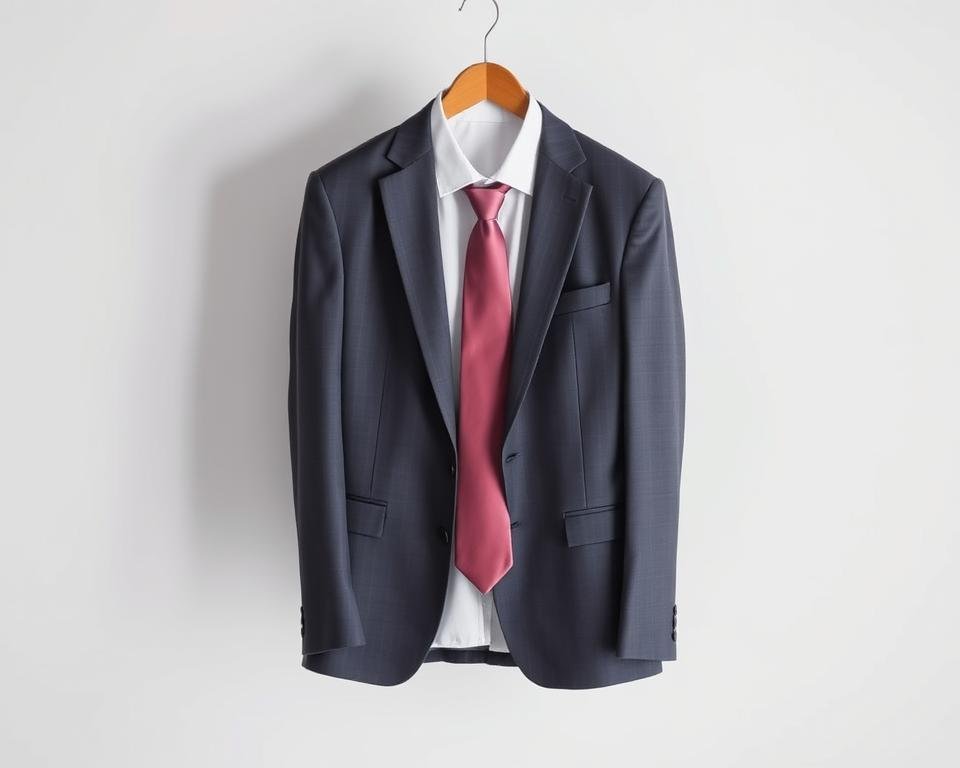
Dressing right and paying attention to grooming can make a great first impression. It shows you’re serious about the job. Remember, dressing for success means being professional, respectful, and ready.
Conduct Mock Interviews
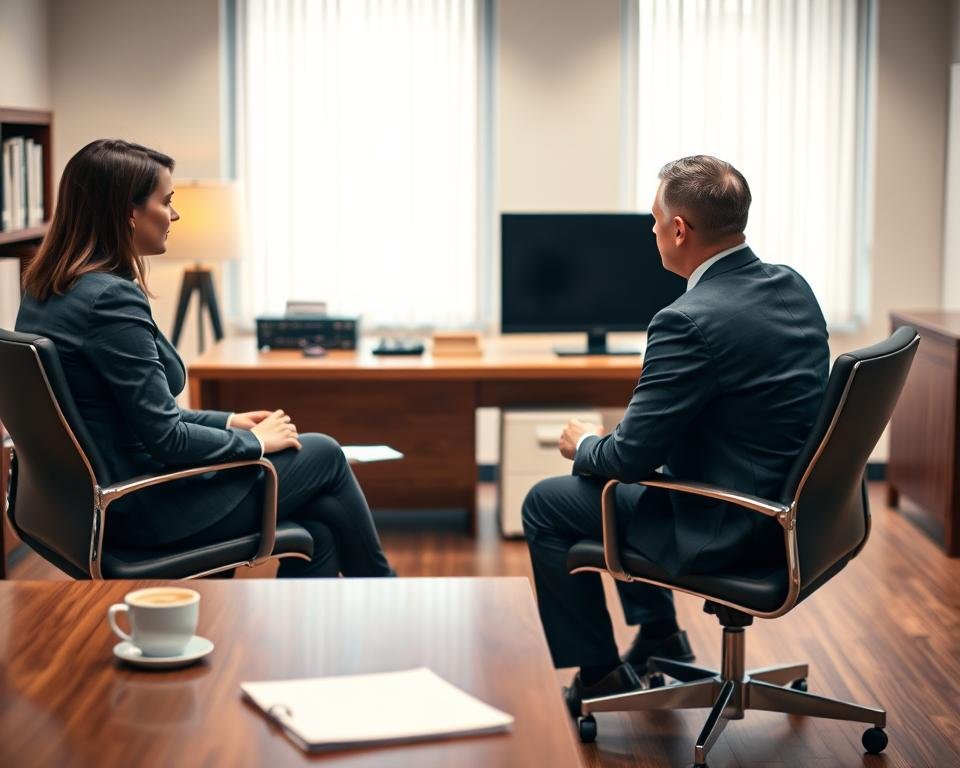
Mock interviews can really help you get ready for real ones. They let you practice in a way that feels like the real thing. This way, you can find out what you need to work on.
Seeking Feedback from Peers
Getting feedback from friends or family is a great idea. Ask someone you trust to do a mock interview with you. It helps you get used to interview questions and improve your answers.
Feedback from others can also show you how you come across. It can help with your body language and tone.
Utilizing Professional Services
Professional services can give you even more help. They offer expert advice on how you’re doing. This can make you feel more confident and ready for the real thing.
They also know a lot about the company you’re applying to. This information is very useful when you’re getting ready.
Using both friends and professional services can really help you. You’ll learn more about your good points and what you need to work on. This can make you more likely to do well in your job interview.
Research the Company Thoroughly
Getting ready for a job interview means learning about the company. You need to know their mission, values, and culture. This helps you understand their work environment and what they expect from you.
Exploring Company Values
It’s important to see if you fit with the company’s values. Here are some things to look at:
- The company’s mission statement and how it matches your career goals.
- The company culture and work environment.
- The company’s view on social responsibility and community involvement.
Looking into these areas helps you understand the company’s values. You’ll see how they shape the workplace.
Understanding the Industry Landscape
Knowing the latest in your industry is key. Here’s how to stay up to date:
- Read industry publications and news.
- Look at the company’s competitors and their market position.
- Learn about the industry’s challenges and how the company tackles them.
This shows the interviewer you’re interested in the company and the job. It also shows you’re ready to learn and stay informed.

Develop Questions to Ask the Interviewer
Preparing thoughtful questions for the interviewer shows you’re really interested in the job. It also helps you learn more about the role and the company.
Insights About the Role
Asking about the job’s daily tasks can clear up what you’ll do. You can also ask about needed skills and how they fit with the company’s goals.
- What are the short-term and long-term goals of this position?
- How does this role contribute to the overall objectives of the team?
- Can you describe the typical career path for someone in this role?
Company Growth and Future Plans
Knowing the company’s vision and growth plans is key. It helps you see if it’s a good match for you. Here are some questions to ask:
- What are the company’s plans for expansion or innovation?
- How does the company approach professional development and training?
- What are the biggest challenges facing the team or department right now?
By asking the right questions, you can understand the company culture and the job better. This makes it easier to decide if it’s the right fit for you.

Showcase Your Accomplishments
Showing off your achievements is key to acing a job interview. It helps you show your worth to employers and stand out in a tough job market.
To do this well, you need to make your answers clear and strong. The STAR technique is a great way to do this.
Using the STAR Method
The STAR method helps you answer interview questions in a clear way. It stands for Situation, Task, Action, and Result.
- Situation: Set the context for your story.
- Task: Explain the challenge you faced.
- Action: Describe how you tackled the challenge.
- Result: Share the outcome, focusing on what you achieved.
Using STAR makes your stories clear and shows off your skills and wins.

Quantifying Your Achievements
It’s also important to show the numbers behind your wins. This means using specific numbers to show how much you’ve done.
For example, say “increased sales by 25%” instead of just “increased sales.” This shows how big your win was.
Showing numbers makes your achievements seem real and shows how big your impact was.
Follow-Up After the Interview
Following up after an interview is key in the job search. It shows you value the interviewer’s time. It also shows you’re really interested in the job opportunity.
A good follow-up can make a big difference. It keeps you in the interviewer’s mind. There are two main things to think about: writing a thank-you email and when to send it.
Crafting a Thank You Email
A thank-you email is more than a nice note. It’s a chance to show you’re really interested in the employment chance. You can also remind them of your skills.
- Make your email personal by talking about the interview.
- Show your excitement for the role and the company.
- Check your email for mistakes to keep it professional.
Timing Your Follow-Up
When you follow up is very important. You want to be remembered but not too pushy.
- Send your thank-you email within 24 hours of the interview. This keeps the conversation fresh.
- If you haven’t heard back in a week or two, a polite email asking about your application is okay.
By writing a great thank-you email and timing it right, you can make a good impression. This might help you get the job.
Stay Calm and Confident
Doing well in a job interview is not just about knowing things. It’s also about feeling calm and sure of yourself. When you’re calm and confident, you impress the interviewer. You show you can handle tough situations.
To feel calm and confident, you need to get ready mentally. This means using special ways to handle your nerves and feel more sure of yourself.
Techniques for Managing Anxiety
It’s key to manage your anxiety to stay calm in an interview. Deep breathing is a good way to slow your heart and lower stress. Doing deep breathing exercises before the interview can calm you down.
Positive self-talk is another great technique. It helps you feel more confident and less anxious. Instead of thinking “I’m going to fail,” say to yourself “I’m ready and can do it.”
Visualization Strategies
Visualization is a strong tool for building confidence. By imagining yourself doing well in the interview, you create a positive picture in your mind. This picture helps you feel less nervous. Picture yourself answering questions well and impressing the interviewer.
To use visualization well, find a quiet place before the interview. Close your eyes and imagine the scene. See the setting, the interviewer’s smile, and your confident answers. This mental practice makes you feel more ready and confident.
Continuous Improvement
Looking back on my job search, I see how important it is to keep getting better. Learning from past interviews helps me improve. This way, I can do better in my next job search.
Learning from Past Interviews
After every interview, I think about how I did. I figure out what worked and what didn’t. This helps me answer questions better and feel more confident.
Keeping Skills Updated
To stay on top in the job market, I keep my skills sharp. I go to workshops, webinars, and online courses. This makes sure I’m ready for new job chances.
By always trying to get better, I can stay ahead in the job market. This boosts my chances of success in future interviews.
