



I’ve learned a lot about working from home. It’s all about staying productive and focused. With the right methods, remote work can be both efficient and fulfilling.
Creating a dedicated workspace is key. Setting clear boundaries and using productivity tools are also important. In this article, I’ll share my secrets for staying organized and motivated while working remotely.
Key Takeaways
- Creating a dedicated workspace enhances productivity.
- Setting clear boundaries with family and friends is important.
- Using productivity tools makes tasks easier and more efficient.
- Having a routine helps keep work and life balanced.
- Staying in touch with colleagues and friends helps your mental health.
Understanding Remote Work Basics
Getting to know remote work basics is key. It helps you understand this new way of working. Knowing what remote work is and the different options available is important.
What is Remote Work?
Remote work, or telecommuting, lets you work from anywhere, not just an office. You can work from home, coffee shops, or shared workspaces. Thanks to remote access tech, you can stay in touch with your team and work from anywhere.
Types of Remote Work Arrangements
There are many remote work setups to match different needs and likes. Here are a few:
- Full-time remote work: Working from home or elsewhere full-time, with a set schedule.
- Part-time remote work: Working some days from home and others in the office.
- Flexible remote work: You decide when and where to work.
- Freelance remote work: Working on projects for different clients.
Some jobs offer remote jobs that fit these setups. They give workers the freedom and control to work well.
Learning these basics helps you navigate remote work better. It lets you find a setup that fits your life and work style.
Benefits of Remote Work
Remote work has many benefits for your career and personal life. It lets you work from anywhere. This can make you more productive, happy at work, and feel better overall.
Increased Flexibility
Remote work gives you a lot of flexibility. You don’t have to go to an office. This means you can work when you’re most focused.
Flexible scheduling helps you work better and faster. You can also avoid distractions and make a workspace that fits you.

Cost Savings for Employees
Remote work can save you a lot of money. You won’t spend on transportation, work clothes, or lunches out. These savings can help your finances and reduce stress.
- Reduced transportation costs
- Savings on work attire
- Lower expenses on food and dining out
Improved Work-Life Balance
Remote work helps you balance work and life better. You can manage your time to fit both work and personal needs. This is key for your health and relationships.
Working from anywhere makes it easier to handle personal tasks without missing work. This helps you achieve a healthy work-life balance. It also makes you happier at work and less likely to leave your job.
Essential Tools for Remote Work
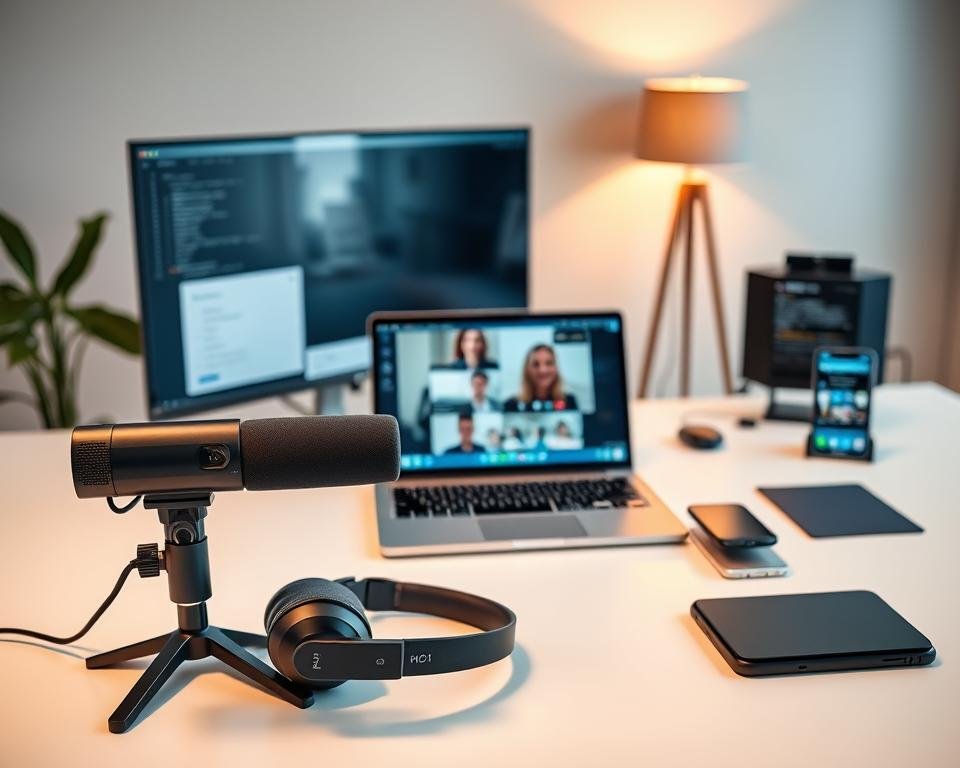
Remote work success depends on the right technology and tools. The right tools can make a big difference.
Let’s look at the key tools for remote work. These include communication platforms, project management software, and time tracking applications.
Communication Platforms
Good communication is key for remote teams. Tools like Slack and Microsoft Teams help teams talk and work together easily.
- Slack has channels, direct messages, and file sharing. It’s great for team communication.
- Microsoft Teams works well with other Microsoft Office tools. It’s a full platform for working together.
Project Management Software
Staying organized is important for remote work. Project management software like Asana and Trello help with tasks, tracking, and deadlines.
- Asana is great for managing tasks. It helps teams tackle big projects step by step.
- Trello uses a Kanban board. It shows project stages and tasks in a clear way.
Time Tracking Applications
Tracking time is key for remote workers and businesses. Time tracking applications like Harvest and Toggl make it easy to log time.
- Harvest tracks time, invoices, and expenses. It’s good for freelancers and businesses.
- Toggl is easy to use. It helps track time across projects and tasks.
Using these tools, remote workers can work better, stay in touch with teams, and balance work and life.
Creating a Productive Home Office
To work better from home, a good home office is key. It’s not just about a desk. It’s about making a space that helps you work well and keeps distractions away.
Setting Up Your Workspace
Start by picking a quiet spot for your office. It should be just for work. Get a comfy chair and a big desk for your computer, papers, and more. If you’re on the computer a lot, think about using a remote desktop for better work.

Ergonomic Considerations
Good ergonomics are important for a productive office. A well-set-up space can stop health problems like back pain and eye strain. Here’s how to do it:
- Put your monitor right in front of you, about 20-25 inches away.
- Keep your keyboard and mouse close to avoid stretching.
- Make sure your chair is the right height so your feet are flat.
| Ergonomic Feature | Benefit | Tip |
|---|---|---|
| Monitor Position | Reduces eye strain | Top of monitor at eye level |
| Keyboard and Mouse Placement | Prevents wrist strain | Keep them close to your body |
| Chair Height | Promotes good posture | Feet flat on floor or footrest |
Minimizing Distractions
To stay focused, keep your office quiet and comfy. Use headphones to block out noise. Also, tell your family when you’re working to avoid interruptions.
With these tips, you can work better from home. A good office, time management, and the right tools make remote work easier.
Time Management Strategies
To work well from home, you need good time management. It helps you focus, avoid distractions, and keep work and life separate.
Prioritization Techniques
Sorting tasks by importance is key. The Eisenhower Matrix helps by grouping tasks into four areas.
- Urgent and Important: Do these first.
- Important but Not Urgent: Plan these for later.
- Urgent but Not Important: Ask someone else to do these.
- Not Urgent or Important: Cut down on these.
The Pomodoro Technique
The Pomodoro Technique works in short, focused periods. Work for 25 minutes, then take a 5-minute break. After four cycles, take a longer break. It keeps you focused and prevents burnout.
Setting Boundaries
It’s important to keep work and personal life separate when working from home. Have a dedicated workspace and stick to regular hours. Tell family and friends when you’re working to avoid interruptions.
| Time | Task | Technique |
|---|---|---|
| 9:00 AM – 9:25 AM | Respond to urgent emails | Pomodoro |
| 9:25 AM – 9:30 AM | Break | Pomodoro Break |
| 9:30 AM – 10:00 AM | Project planning | Eisenhower Matrix |

Using the right techniques can make you more productive at home. Try different methods to see what works for you.
Effective Communication in a Remote Team
In today’s world, talking well is key for team success. Working with many remote teams, I’ve found the right ways to talk really helps.
Best Practices for Virtual Meetings
Virtual meetings are common in remote work. But, they can be tough if not done right. It’s important to have a clear plan and share it before the meeting.
- Start on time and make sure everyone does too.
- Use video to make talking face-to-face better.
- Get everyone involved by asking questions and listening to their thoughts.
Utilizing Asynchronous Communication
Tools like email and project management software let team members talk when they can. This is great for teams in different places.
| Tool | Purpose | Benefits |
|---|---|---|
| Formal communication | Keeps a record, lets you explain things well | |
| Project Management Software | Task assignment and tracking | Helps everyone work together, keeps everyone in the loop |
Creating a Team Culture
Building a strong team culture is important for remote teams. It’s about making sure everyone feels connected and can work well together.
Some ways to build a team culture include:
- Doing virtual team activities, like online games or virtual happy hours.
- Having regular meetings to talk about progress and any problems.
- Celebrating big wins and achievements.

By using these methods, remote teams can talk better and do more together.
Staying Motivated While Working Remotely
Working from home can feel lonely. It’s hard to stay motivated without a regular office. I know this from my own experience with remote jobs. Staying motivated is key for doing well and feeling good at work.
To fight off the feeling of not wanting to work, I’ve found two great ways. Setting personal goals and having someone to be accountable to are both super helpful. They give you a reason to work and make you feel responsible, even when you’re at home.
Setting Personal Goals
Setting clear goals is a great way to stay motivated. Having specific goals helps you plan your day or week. It keeps you focused on what’s important.
- Identify your short-term and long-term goals.
- Break down bigger goals into smaller tasks.
- Celebrate your wins to keep moving forward.
Leveraging Accountability Partnerships
Having someone to report to can really help you stay motivated. This could be a coworker, a friend, or a mentor who knows your goals.
Accountability partnerships are like having a team to support you. You share your goals, progress, and problems. It helps you stay on track and gives you feedback and advice.
| Strategy | Description | Benefits |
|---|---|---|
| Setting Personal Goals | Creating clear, achievable objectives | Increased focus, sense of accomplishment |
| Accountability Partnerships | Having someone to report to or be accountable to | Mutual support, feedback, and motivation |
Using these strategies, people working remotely can stay motivated and productive. Even without a traditional office, you can do great.

Navigating Challenges in Remote Work
Remote work has many benefits, but it also has challenges. I’ve found that it can be very rewarding. But, it needs a proactive approach to handle its unique problems.

Overcoming Loneliness
One big challenge is feeling lonely. Without office chats, remote workers can feel left out. To fight this, I regularly schedule virtual coffee breaks with colleagues and friends.
Also, joining online groups related to my job helps a lot. These groups give a sense of belonging. They also offer chances to work together and get support.
Managing Time Zones
Dealing with different time zones is tough, mainly when working with teams worldwide. To tackle this, I focus on clear communication about my schedule.
Using tools like World Time Buddy helps a lot. It makes scheduling meetings easier, so everyone can join in.
Dealing with Technological Issues
Technical problems can really slow down remote work. Having reliable remote access to what you need is key. Having a backup plan, like a mobile hotspot, helps too.
For tech issues with remote control and software, keeping software up to date is essential. Having a dedicated IT support person is also very helpful. It’s important to check that all remote work tools work well.
Enhancing Collaboration in Remote Teams
Remote teams need special plans to work well together. I’ve seen how teamwork is key to reaching goals.
Brainstorming Sessions Online
Online brainstorming helps teams work better together. Tools like Mural and Google Jamboard let everyone share ideas live.
For these sessions to work, set a clear plan. Make sure everyone gets to share their thoughts.
Using Collaborative Tools
Collaborative tools are vital for remote work. Google Docs and Microsoft Teams are great for editing documents and talking as a team.
- Real-time commenting and editing
- Version control and tracking changes
- Integration with other productivity tools
Creative Engagement Techniques
Remote teams need fun ways to stay connected. Virtual team-building, games, and interactive talks are good ideas.
For example, virtual whiteboards for brainstorming or “water cooler” channels for chats help build a team spirit.
Building Relationships Remotely
Working remotely means we need to build strong team bonds. It takes effort, commitment, and the right strategies. This is key to success.
Creating a strong team bond is vital. We need to make sure everyone feels connected and valued. Encouraging remote support helps a lot.
Cultivating a Strong Team Bond
Open communication and trust are key. Regular meetings and one-on-one talks help. They let us share our experiences and challenges.
Virtual Team Building Activities
Virtual team-building activities are great. They can be fun, like virtual happy hours or games. For example, a virtual escape room can boost teamwork.
| Activity | Purpose | Engagement Level |
|---|---|---|
| Virtual Happy Hour | Socialization | High |
| Online Escape Room | Teamwork and Problem-Solving | Very High |
| Collaborative Project | Teamwork and Creativity | High |
Adding these activities to our routine makes our teams stronger. They can handle remote work challenges better.
Continuous Learning and Development
To stay ahead in a fast-changing work world, remote workers must keep learning. They need to keep growing their skills to move up in their careers and stay current in their field.
Online Courses and Resources
Remote work offers a big plus: access to many online courses and resources. Sites like Udemy, Coursera, and LinkedIn Learning have classes on many subjects. These help remote workers get better at their jobs and keep up with new trends.
For example, a marketing remote worker can learn about new digital marketing ways. A developer can pick up new programming languages. This makes them better at their jobs and happier too.
Staying Updated with Industry Trends
It’s key for remote workers to keep up with industry news. They can do this by following leaders, going to webinars, and joining online forums. Industry blogs and news sites are also great for staying in the loop.
For tech workers, following tech news sites and going to virtual conferences is a must. This keeps them up-to-date and lets them bring new ideas to their teams.
By using these methods, remote workers can keep learning and growing. This helps them advance in their careers and helps their companies succeed.
Future of Remote Work
The future of remote work looks bright and is changing fast. Technology is moving quickly, and more companies are going remote. It’s important to keep up with these changes.
Emerging Trends
New trends are making remote work even better. More jobs are available for people all over the world. Knowing these trends can help you stand out.
Adapting to Change
To do well in this new world, you need to be flexible and open. Remote work is always changing. Being ready to learn and adapt is key to success.
